Organised by the Ministry of Transport, Communications and Information Technology Digital Transformation Leaders Council Charts the Next Phase and Strengthens Integrated Efforts to Achieve 2026–2030 Targets
Date Published: 24 November 2026
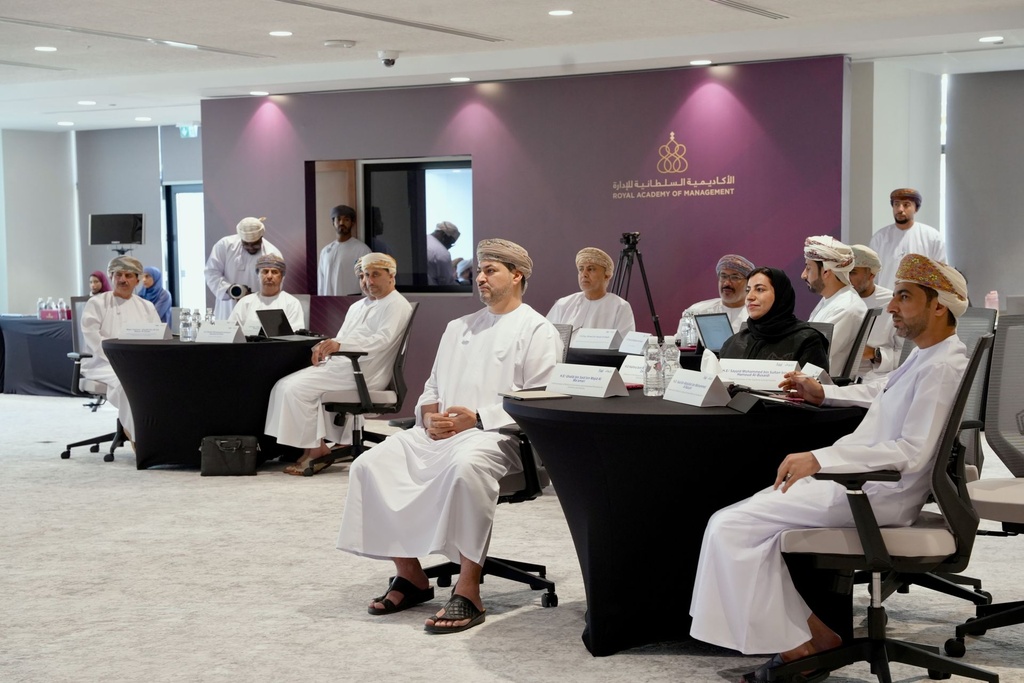
The Digital Transformation Leaders Council 2026, organised by the Ministry of Transport, Communications and Information Technology, represented by the Directorate General of Digital Transformation and Sector Empowerment, reviewed the strategic directions and roadmap of the National Programme for Digital Transformation, ‘Tahawul’, for the period from 2026 to 2030, along with the priorities for the next phase aimed at strengthening institutional integration, aligning national efforts and accelerating the achievement of digital transformation targets across the Sultanate of Oman. His Excellency Dr Ali bin Amer Al Shidhani, Undersecretary of the Ministry for Communications and Information Technology, attended the Council, which brought together leaders and members of digital transformation teams from government entities, supporting greater coordination and integration of roles across institutions and enabling the exchange of expertise and successful experiences. These efforts contribute to advancing government services, improving institutional efficiency and enhancing the beneficiary experience, in line with the objectives of Oman Vision 2040.
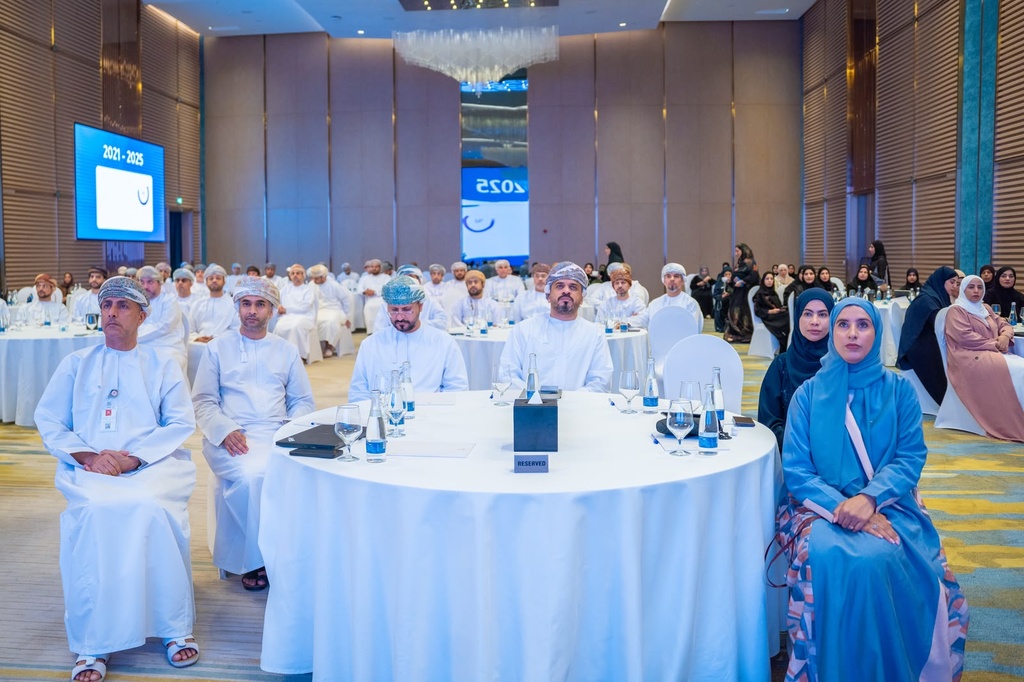
The Council reviewed the roadmap and implementation plan for the National Programme for Digital Transformation, ‘Tahawul’, for the period from 2026 to 2030. The roadmap represents an advanced phase in Oman’s national digital transformation journey, shifting efforts from enablement and laying the foundations towards comprehensive digital integration through the development of a smart and interconnected digital government. Its services are centred around beneficiaries, while data and artificial intelligence are leveraged to enhance institutional performance and support decision making. The next phase also seeks to expand digital transformation across economic sectors and governorates and strengthen partnerships between the government and private sectors. This is aimed at maximising the developmental and economic returns of investment in digital technologies and further strengthening the Sultanate of Oman’s position in digital government. The roadmap is underpinned by a set of guiding principles that provide a unified framework for directing the efforts of government entities and ensuring greater alignment and integration. These include ‘People First’, which focuses on developing services around beneficiaries’ needs, and ‘Digital First’, which establishes digital channels as the primary means of service delivery. Other principles include institutional integration, digital sovereignty, the use of data to support decision making and the ‘Once Only’ principle to avoid repeatedly requesting the same beneficiary information. The principles also include digital openness through open standards, integration interfaces and data sharing where required, as well as sustainable innovation and the adoption of emerging technologies. They prioritise shared solutions and platforms, encouraging their reuse before new solutions are developed, while promoting national value and sustainable economic and social impact. Security and privacy requirements are also integrated from the early stages of service design, contributing to the quality, inclusivity and sustainability of digital services.
As part of institutional knowledge exchange, the Council showcased a number of government success stories highlighting the key enablers and critical factors behind successful digital transformation projects, the challenges associated with implementation and effective approaches to addressing them. This enables government entities to draw on accumulated experience and apply relevant lessons to improve their services and accelerate progress towards their digital transformation targets. The experiences showcased included the ‘Tawtheeq’ Platform, which provides notary public services digitally, simplifies procedures and accelerates transactions through integration with relevant government entities. The Council also highlighted the ‘Tharawat’ Platform, which aims to digitalise services and procedures related to the agriculture, livestock, fisheries and water resources sectors and facilitate beneficiary access, contributing to greater service efficiency and easier completion of transactions. The Council also witnessed the launch of the Government Services Design System for the Sultanate of Oman through the Unified Government Services Portal. The system serves as a unified national reference for the design and development of digital services, providing specialised teams with an integrated set of guidelines, standards, design elements and reusable components. This promotes a more consistent and integrated user experience across government services, improves the efficiency of design and development processes and reduces the time and effort required for implementation. The Design System focuses on providing clear and consistent digital interfaces and standardising elements and processes to make government services easier to use, clarify the steps involved and make transactions easier to complete. It also prioritises digital accessibility within design quality standards, helping ensure that government services are inclusive, accessible and easy to use for different segments of society.
The Council also celebrated the graduation of the first cohort of Digital Transformation Leaders under ‘Ertiqaa’, the National Digital Transformation Capacity Development Programme, following the completion of a learning and practical development journey designed to strengthen participants’ leadership and strategic capabilities. The programme enhanced their ability to lead institutional change and translate national directions and priorities into actionable digital initiatives and projects with measurable impact that respond to beneficiary needs and align with government entity priorities. Ertiqaa focused on several strategic areas, including leading institutional change, embedding a digital culture, governing the implementation of digital transformation strategies and managing stakeholders. It also developed participants’ capabilities in leading innovation within the government environment, preparing national talent to take on leadership roles in the next phase and contribute effectively to achieving digital transformation targets. The Council included two panel discussions. The first addressed the governance of digital transformation implementation for the period from 2026 to 2030 and examined financial management mechanisms, ways to strengthen institutional coordination and monitoring and escalation processes for addressing challenges. These measures support clearer roles and responsibilities and greater integration of efforts across government entities. The second panel discussion focused on strengthening institutional integration and applying best practices to achieve digital transformation targets and national objectives for the period from 2026 to 2030. It explored ways to enhance coordination and partnerships among relevant entities, exchange expertise and draw on leading experiences, supporting faster delivery and reinforcing collaborative government efforts to build an integrated digital ecosystem. The outcomes of the Digital Transformation Leaders Council 2026 reinforce the importance of progressing towards a more integrated phase of digital transformation, built on aligned visions, connected initiatives, strengthened national capabilities and the adoption of innovative digital solutions. This contributes to improving government efficiency and the quality of services delivered while supporting the objectives of the National Programme for Digital Transformation, ‘Tahawul’, and Oman Vision 2040.
Related News
Discover Now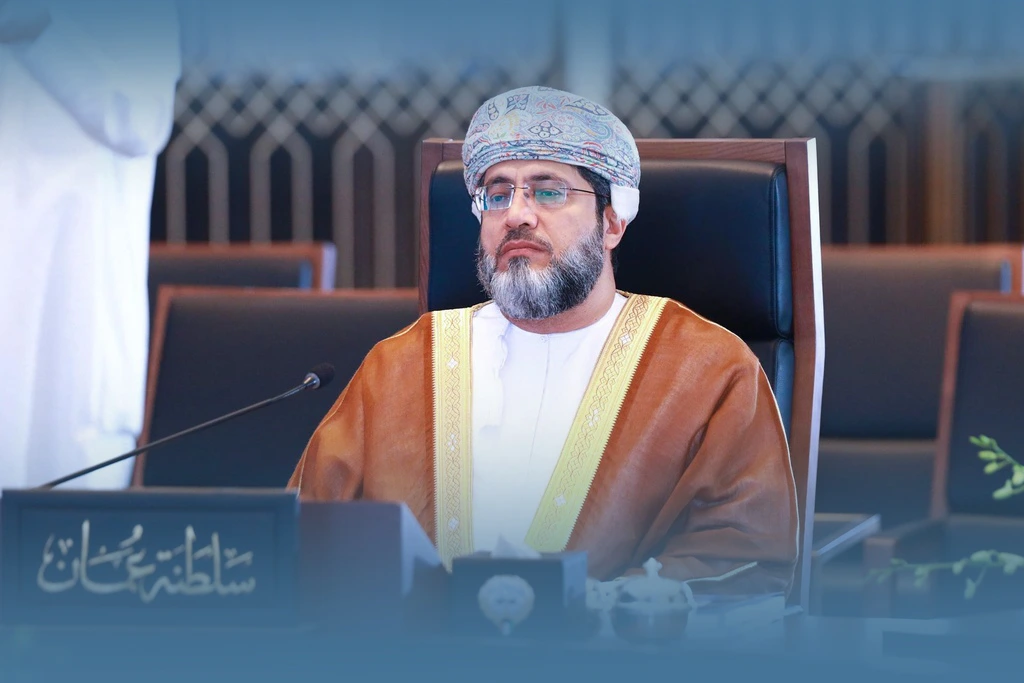
Oman Participates in 27th GCC e-Government Executive Committee Meeting
Date Published: 26 May 2025


Promoting Digital Inclusion: Launch of the Digital Accessibility Guideline
Date Published: 15 May 2025
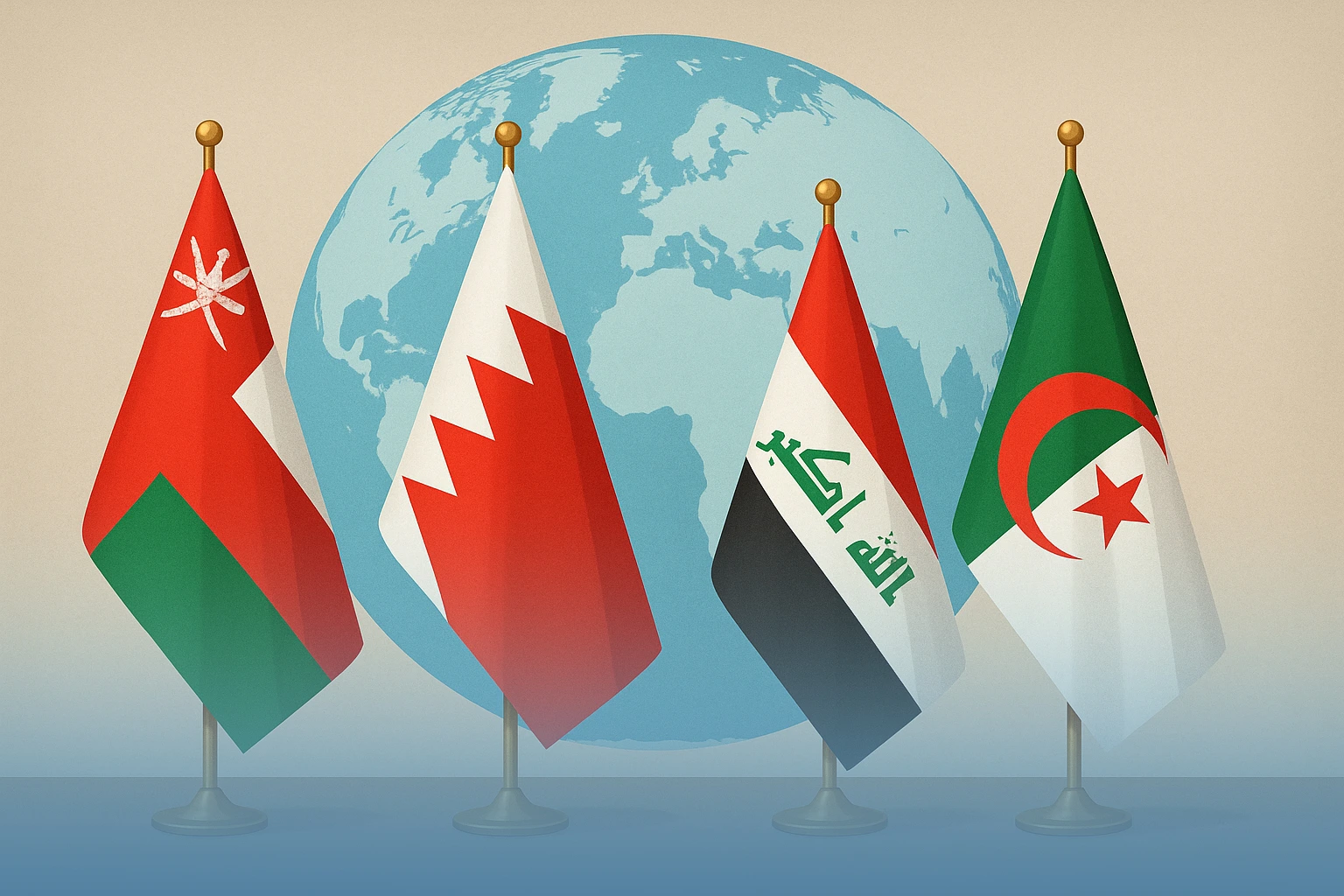
The Minister of Transport, Communications, and Information Technology Meets His Counterparts from Bahrain, Iraq, and...
Date Published: 01 September 2025

Next Week: Launch of the Global Technology Exhibition “COMEX 2025”
Date Published: 04 September 2025
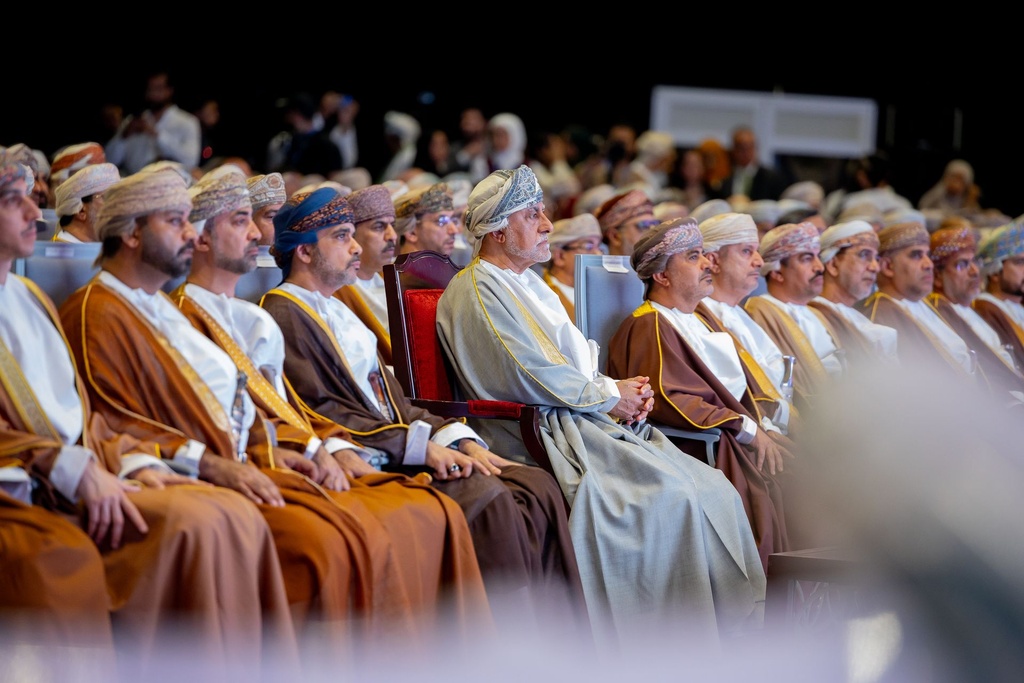
Launch of COMEX 2025: Announcement of the Green Artificial Intelligence Alliance and Unveiling of the...
Date Published: 08 September 2025

A World of Innovation and Excellence: The Ministry of Transport, Communications and Information Technology Captures...
Date Published: 09 September 2025
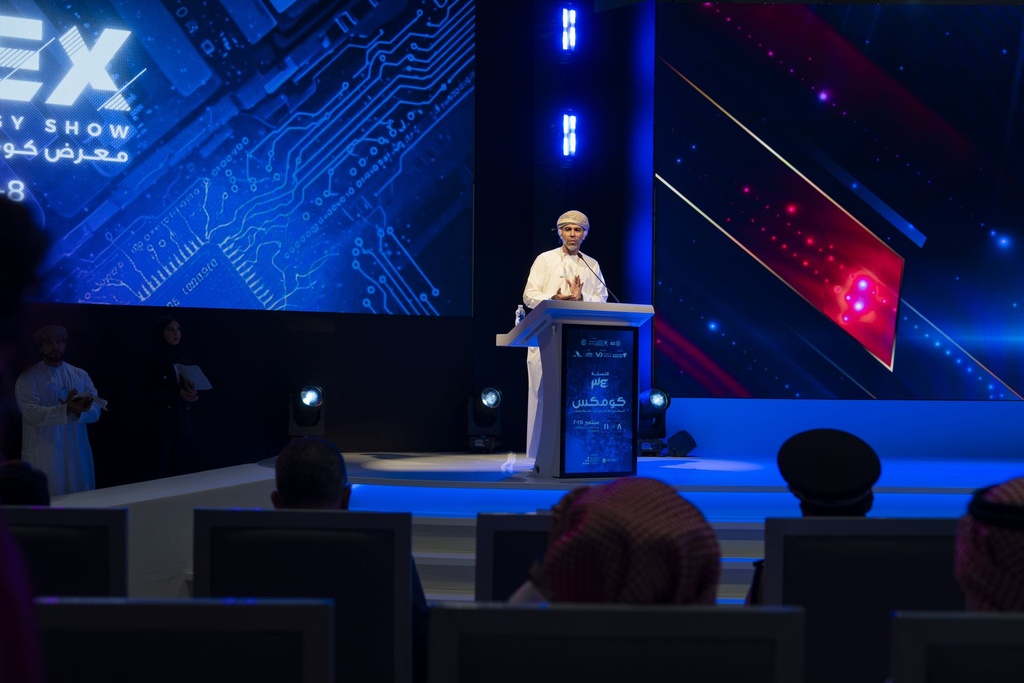
With an increase of 45%, COMEX 2025 agreements were valued at OMR 116 million
Date Published: 20 September 2025
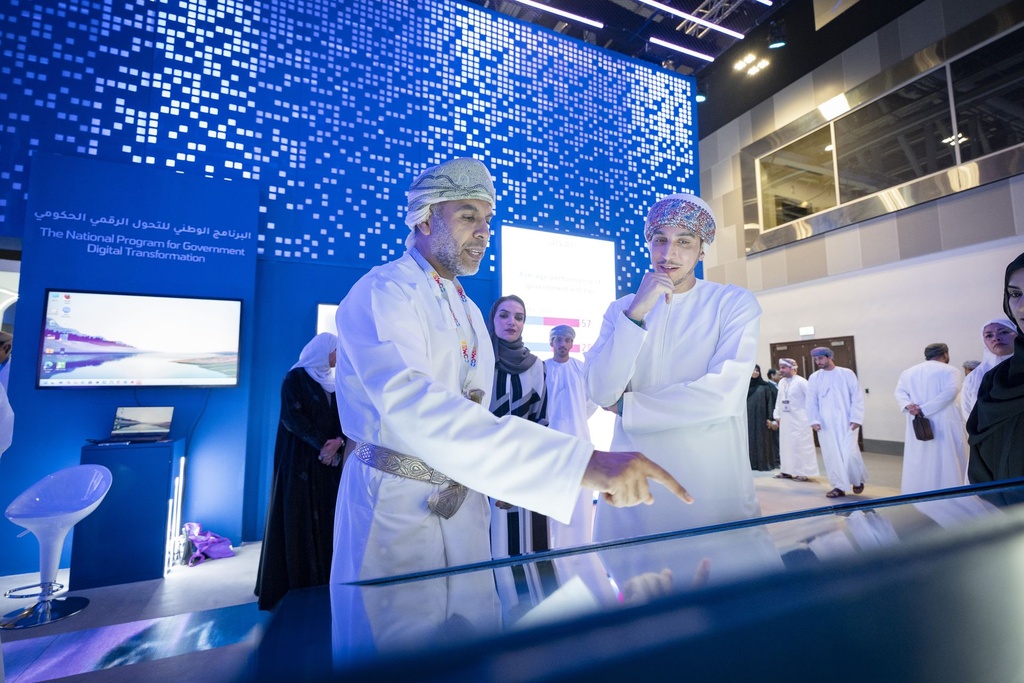
Launch of the “Irtiqa” Program to Empower National Talents in Government Digital Transformation
Date Published: 21 September 2025
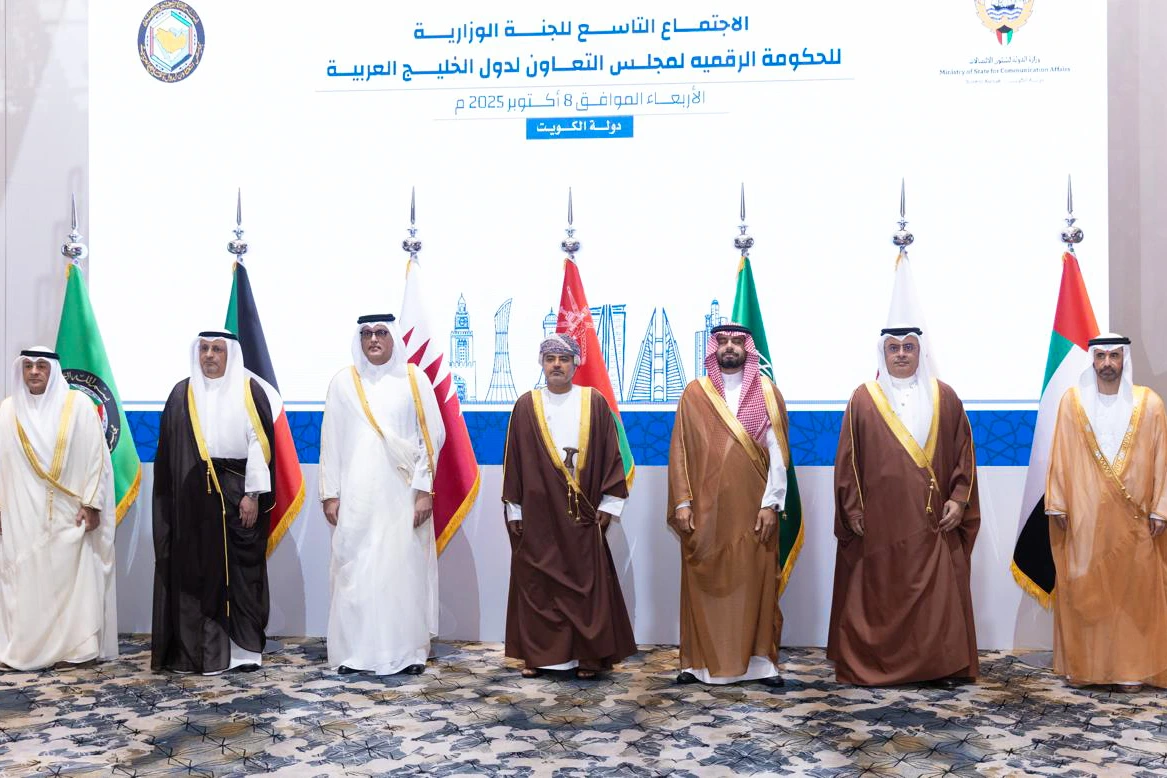
Oman Participates in the 29th GCC Ministerial Meeting for Communications and Postal Affairs and the...
Date Published: 08 October 2025

MTCIT organises an open data meeting to enhance transparency and support digital transformation
Date Published: 19 November 2025

The Governorates of Muscat and Al Dakhiliyah continue their efforts in digital service empowerment by...
Date Published: 03 December 2025
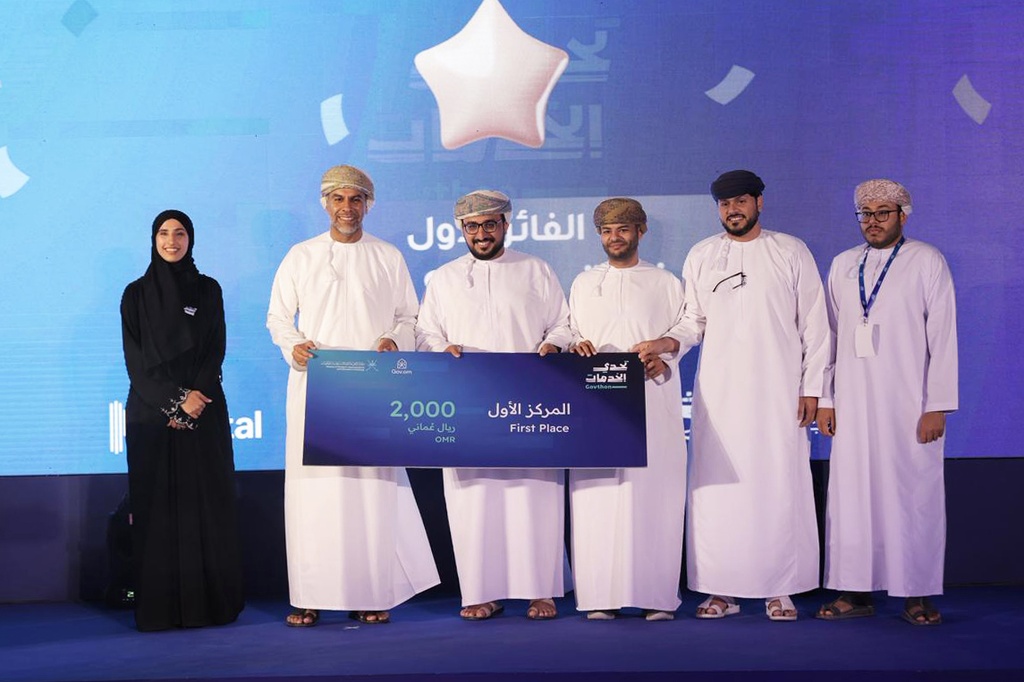
Conclusion of the "2025 Services Challenge" hackathon and awarding the winning teams
Date Published: 04 December 2025
The curtain falls on the 33rd edition of the COMEX Global Technology Exhibition 2024
Date Published: 01 June 2024
MTCIT launches a framework and tools for change management in government digital transformation
Date Published: 17 December 2025

MTCIT Announces Closure of Registrations for the Second Edition of the Digital Excellence Award in...
Date Published: 24 December 2025
The Sultanate of Oman and the Republic of Rwanda Sign Four Cooperation Agreements
Date Published: 11 January 2026
Commencement of Training Programmes under the “Ertiqaa” Programme to Empower National Competencies in Government Digital...
Date Published: 20 January 2026
Launch of the Future Readiness Leadership Forum under the National Programme “Irtiqaa”
Date Published: 01 February 2026
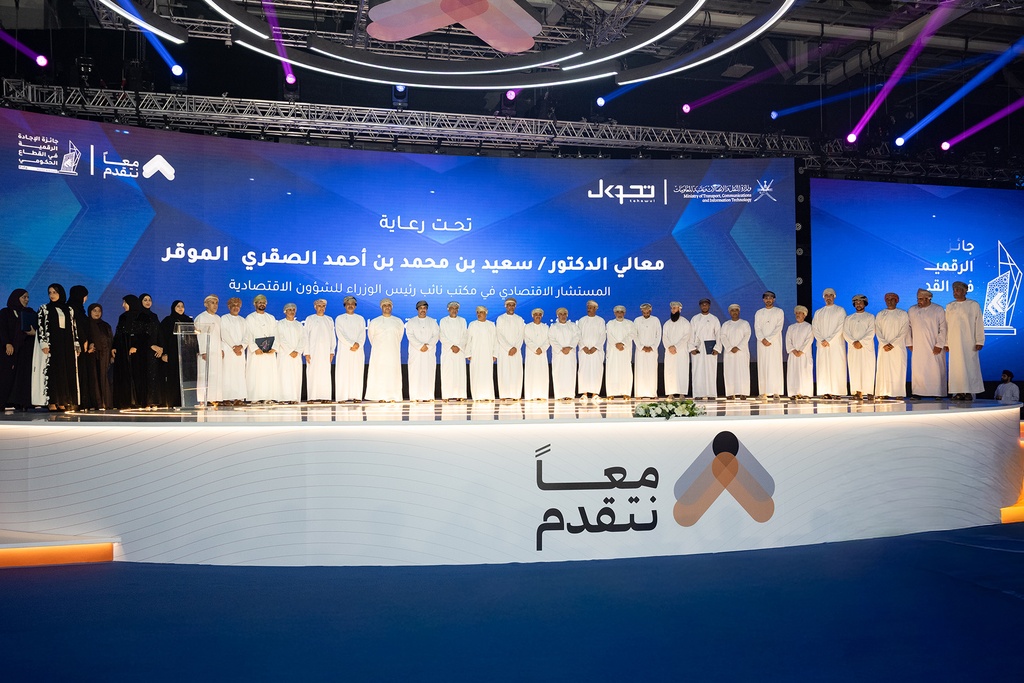
Winners Announced for the Second Edition of the Government Digital Excellence Award 2025
Date Published: 08 February 2026
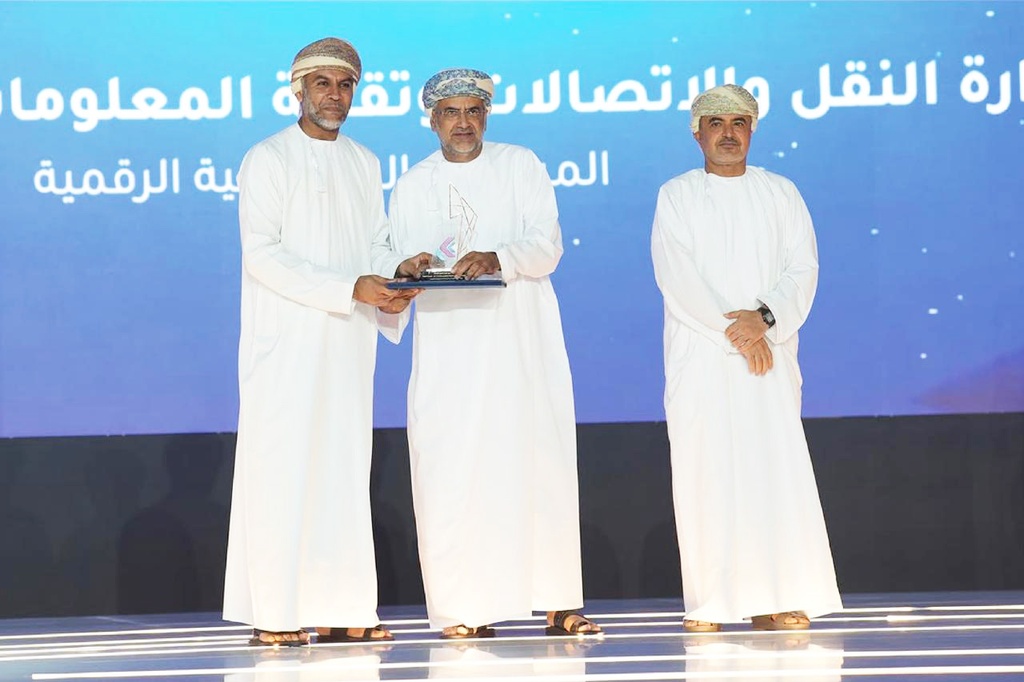
The "Communication and Media" department on the podium at the "Digital Excellence Award" 2025
Date Published: 08 February 2026
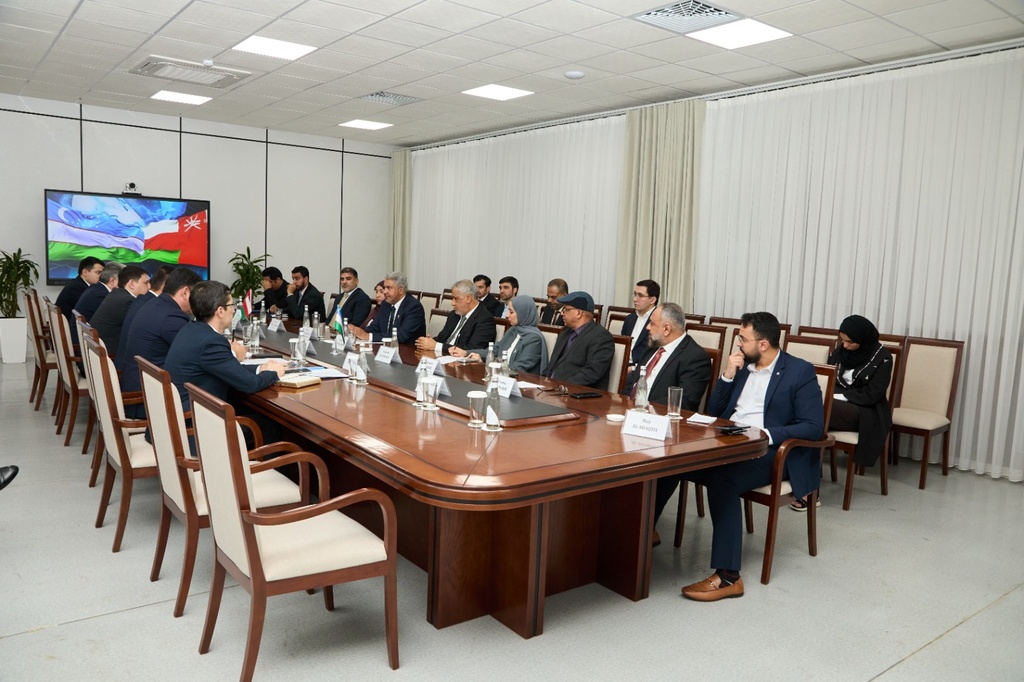
The Sultanate of Oman is exploring the enhancement of logistical integration with the Republic of...
Date Published: 22 February 2026

Completion of more than 2,805 transactions thru digital channels in Al Buraimi
Date Published: 24 March 2026

Review of the Strategy and Framework for Measuring Ejada under the National Digital Transformation Programme...
Date Published: 16 April 2026

Oman, Algeria Strengthen Cooperation in Transport, Logistics and Digital Transformation
Date Published: 07 May 2026

MTCIT wins "Gold" in the Environmental and Social Governance Award
Date Published: 17 May 2026
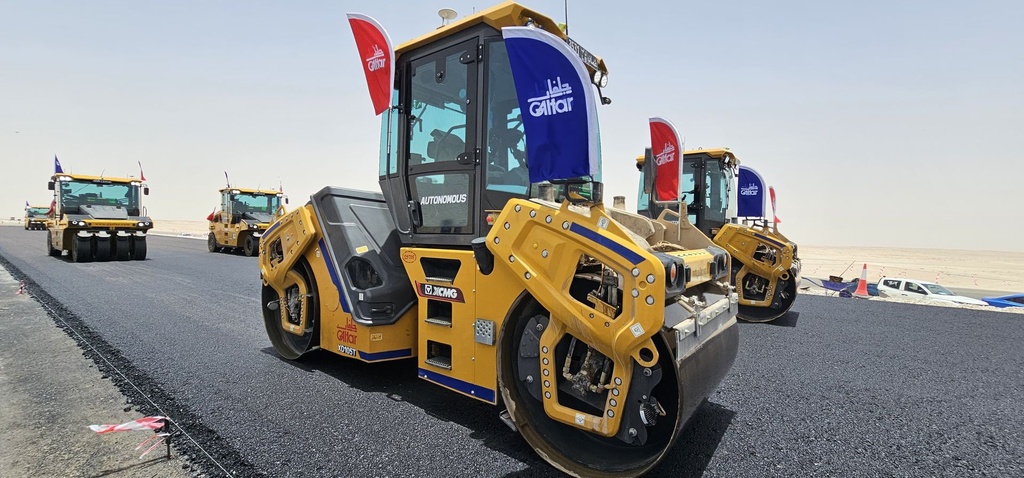
For the first time in the Sultanate of Oman: Launch of AI-powered autonomous asphalt paving...
Date Published: 20 May 2026
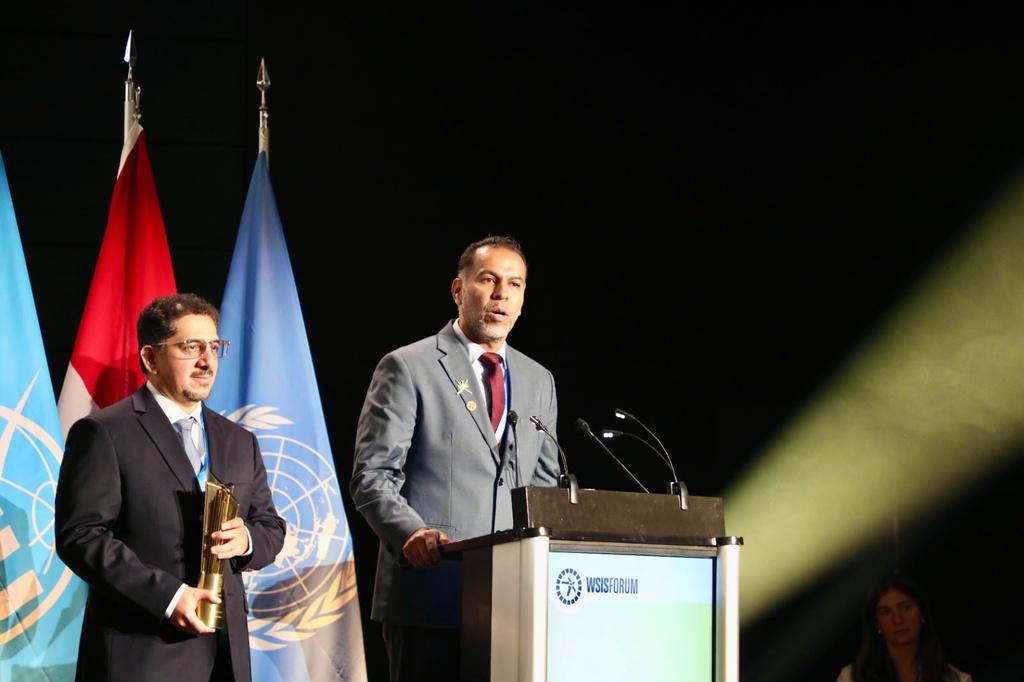
Oman Wins Global First Place at WSIS Prizes 2026 for Smart Lighting Project
Date Published: 10 July 2026

MTCIT Showcases Efforts to Empower Persons with Disabilities through Purple Saturday Campaign
Date Published: 26 July 2026
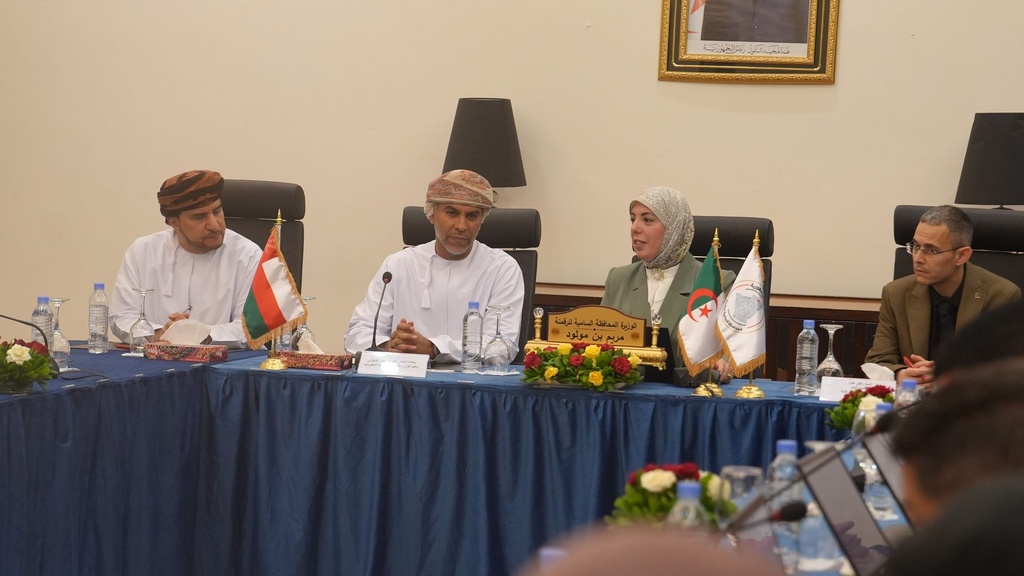
Oman and Algeria Strengthen Cooperation in Communications and Information Technology
Date Published: 27 July 2026

Omani Delegation Concludes Algeria Visit with Smart Water Solutions MoU
Date Published: 29 July 2026
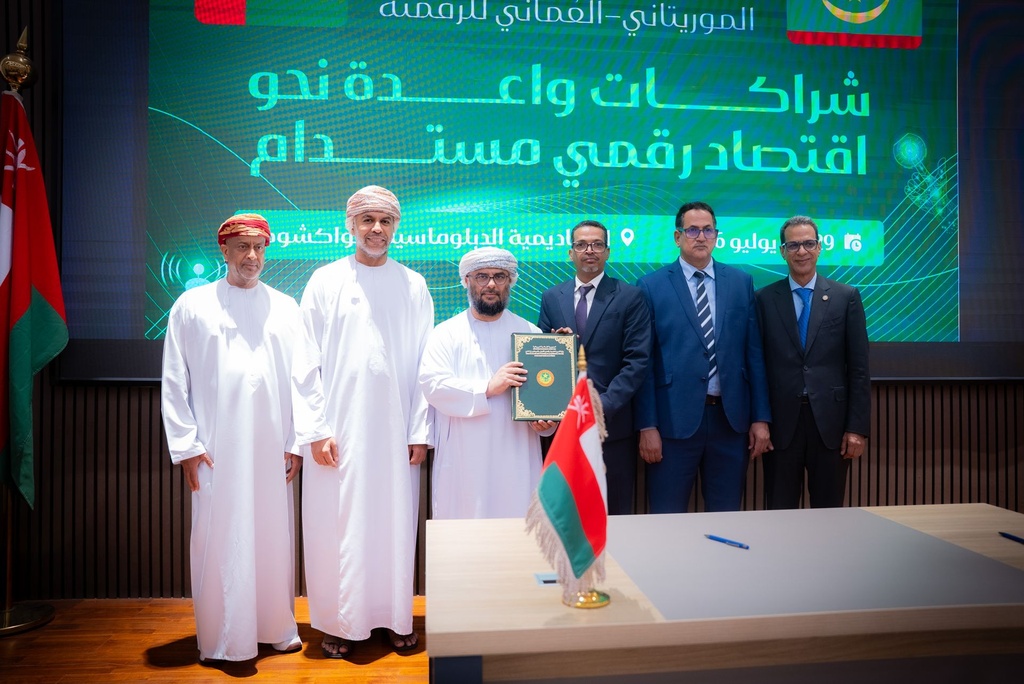
Mauritanian-Omani Digitalisation Forum Advances Partnerships for a Sustainable Digital Economy
Date Published: 02 August 2026
