“Wasl” Highlights Efforts to Develop and Regulate Express Delivery Services and Announces Plan to Transition to Electric Motorcycles
Date Published: 01 September 2026
The Ministry of Transport, Communications and Information Technology organised today the “Wasl” Programme for the regulation and development of express delivery services, under the patronage of H.E. Dr. Ali bin Amer Al Shidhani, Undersecretary of the Ministry for Communications and Information Technology, at the Sultan Qaboos Youth Complex for Culture and Entertainment in the Governorate of Dhofar.
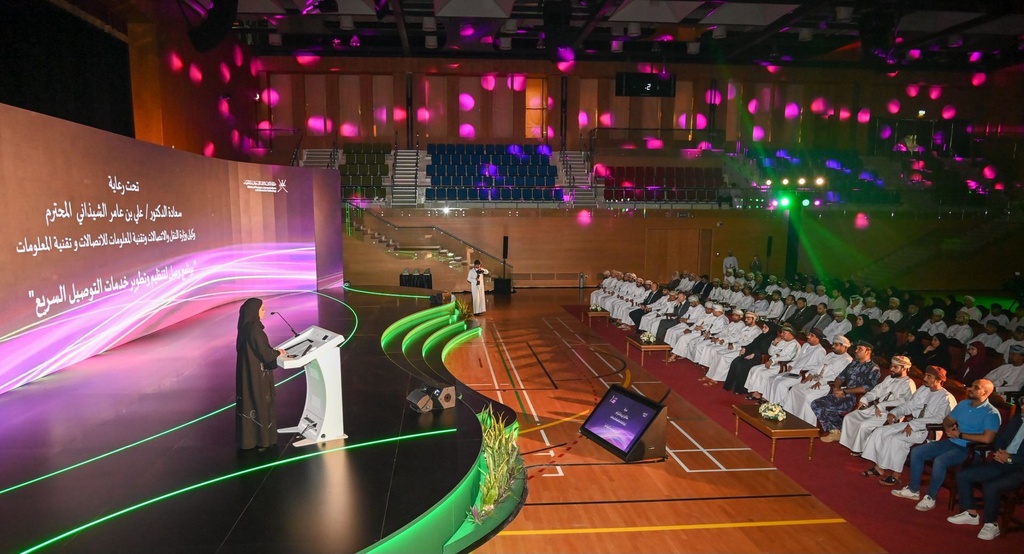
The programme highlighted the Ministry’s efforts to develop the regulatory and operational environment of the express delivery sector, promote digital transformation, empower small and medium enterprises (SMEs) and national competencies, launch the commercial motorcycle registration service through the Naql Platform, and announce a plan for the gradual transition to electric motorcycles.
Digital Economy
In the Ministry’s address, Eng. Ghaida bint Said Al Kiyumi, Senior Projects Specialist at the Ministry of Transport, Communications and Information Technology, affirmed that the express delivery sector has become a key component of the digital economy and a pillar supporting the growth of e-commerce. She noted that the Ministry, in cooperation with government entities and the private sector, is working to build an integrated ecosystem that enhances the sector’s efficiency and competitiveness and improves the quality of services provided to consumers. She said that regulating the sector aims to streamline procedures and empower companies, thereby creating an enabling environment for business growth, consumer protection, and enhancing companies’ ability to develop and compete. She explained that the Ministry’s efforts over the past year have contributed to supporting more than 40 SMEs and providing more than 900 job opportunities for Omanis, in addition to developing operating models, digitising procedures, and enhancing the use of data and modern technologies to save time, reduce operational burdens, and improve quality and safety. She added that these results provide a foundation for a new phase in which the sector moves from regulation to empowerment and from performance development to establishing sustainable, long-term growth. She stressed that achieving this direction requires integrated efforts among government entities, delivery companies and platforms, investors, and entrepreneurs.
Digital Services
The programme witnessed the launch of the commercial motorcycle registration service and the electronic issuance of vehicle operating cards through the Naql Platform, marking a shift from multiple and fragmented procedures to a unified and integrated digital process. The service enables companies to register motorcycles electronically and link them to authorised drivers, verify company data, workforce permits and vehicle data through integration with relevant entities, and track the status of applications throughout the various stages of registration.
Transition to Electric Motorcycles
Thuraya bint Habib Al Wahaibi, Logistics Operations and Sustainability Specialist with the Net Zero Team at Oman Logistics Centre, presented the plan for transitioning to electric motorcycles in express delivery services. She explained that the project aims to enhance the daily delivery experience, making it more efficient, safer and more sustainable. She stated that the transition to electric motorcycles contributes to reducing emissions and energy and maintenance costs, improving fleet operational efficiency, and providing drivers with a smoother operating experience. She also emphasised the importance of assessing costs over the motorcycle’s entire operational lifespan. She noted that the transition plan is based on a gradual and implementable pathway towards a full transition to electric motorcycles, while allowing for specific exemptions approved by the Ministry based on technical or operational justifications. She further stated that the plan includes supporting operational trials before expansion, providing suitable financing and operational solutions for companies, and enabling locations for charging and battery-swapping stations in coordination with municipalities and local authorities.
Key Pillars of the Transition
Al Wahaibi added that the success of the transition is based on three key elements: adopting clear technical standards for motorcycles, including safety and compliance requirements; ensuring the availability of suppliers and operators capable of providing services and technical support; and developing safe and integrated infrastructure for charging and battery swapping along delivery routes. She explained that the project has been included on the Mizan Platform of the Oman Net Zero Centre to measure emission reductions resulting from the gradual transition to electric motorcycles and ensure that future expansion phases are based on measurable operational and environmental data.
Development of the Express Delivery Sector
The programme also included a visual presentation highlighting the stages of development of the express delivery sector and the results achieved in regulating operations, supporting SMEs, creating job opportunities, and developing the local value chain. A number of outstanding companies were also honoured in recognition of their distinguished practices and contributions in the areas of employment, safety, operational efficiency and sustainable mobility. The “Wasl” Programme forms part of the Ministry of Transport, Communications and Information Technology’s efforts to build a more regulated, competitive and sustainable express delivery sector and enhance its readiness to keep pace with the rapid growth of e-commerce, in support of the objectives of Oman Vision 2040 and the Sultanate of Oman’s direction towards net-zero carbon emissions.
Related News
Discover Now

MTCIT Launches Pilot Program for “O Taxi” Parcel Delivery Service
Date Published: 19 August 2024

Over 429,000 e-Transactions via “Naql” Platform Since 2020 Launch
Date Published: 14 July 2024

A Green Step for a Sustainable Future: Gulf Green Mobility Forum 2025 in Salalah
Date Published: 15 August 2025

Green Step for a Sustainable Future: Gulf Green Mobility Forum 2025 Concludes in Salalah
Date Published: 31 August 2025
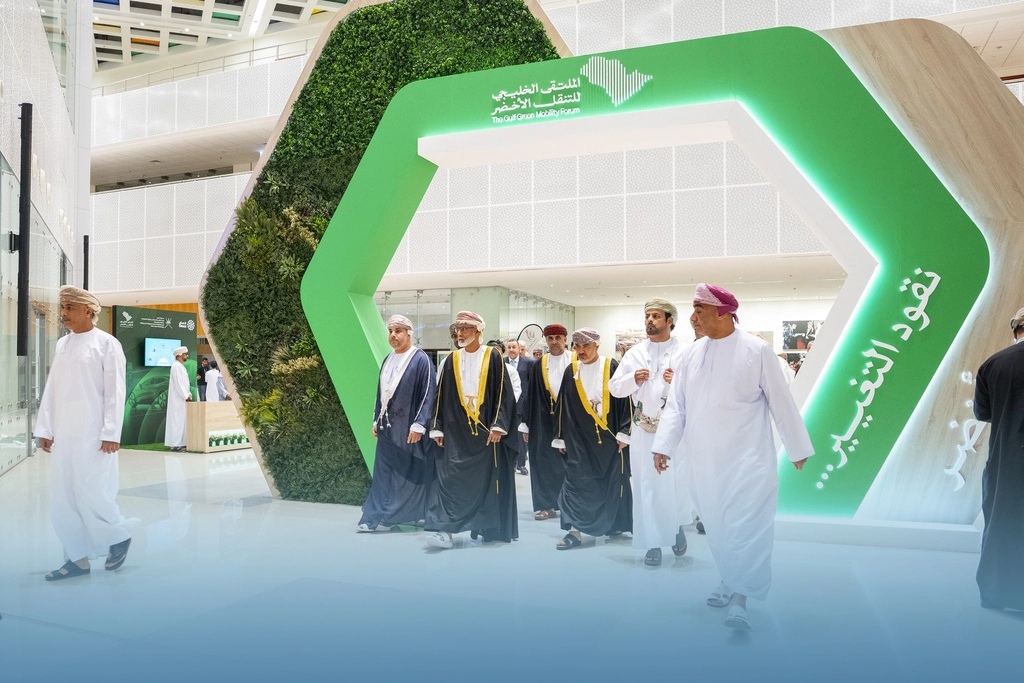
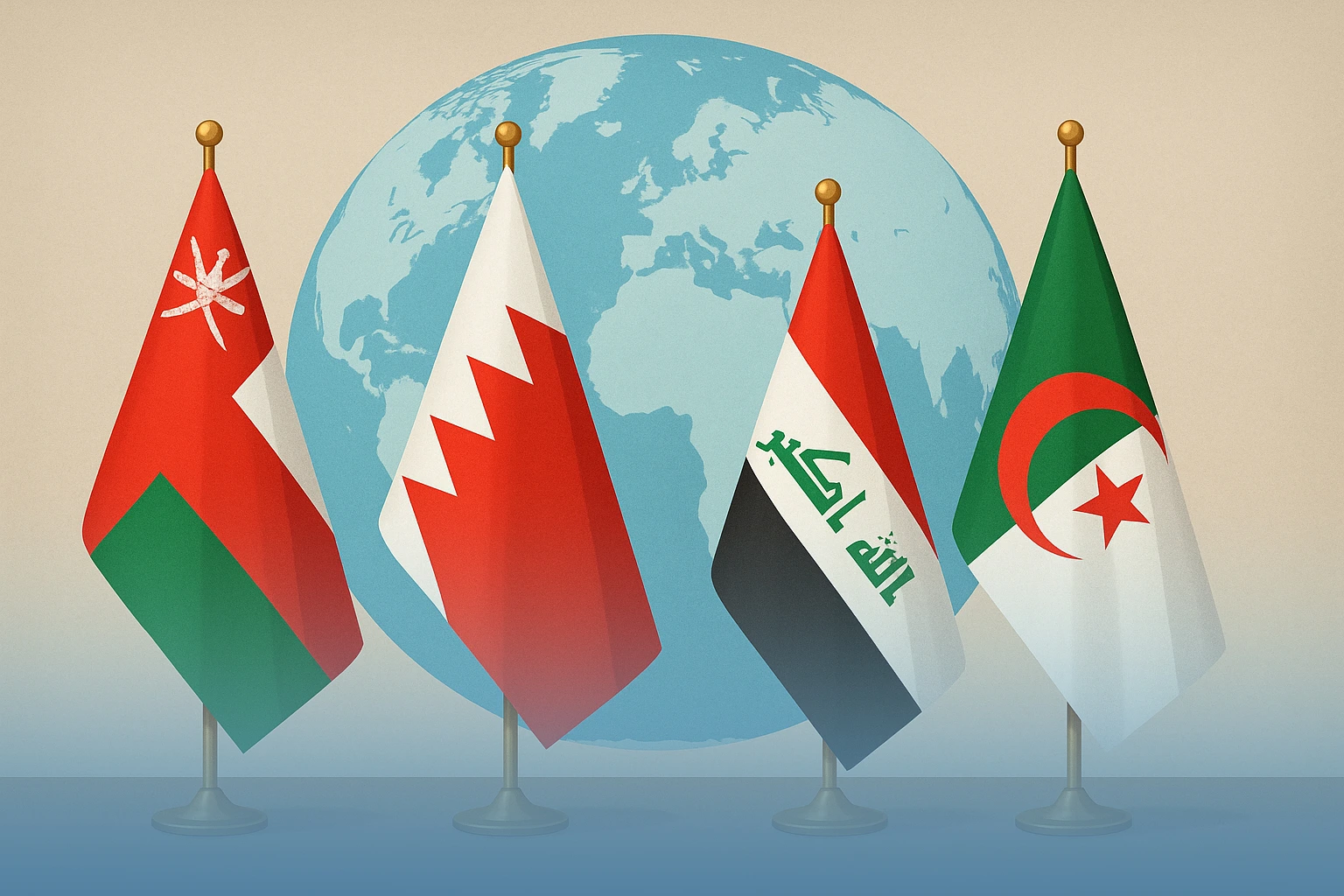
The Minister of Transport, Communications, and Information Technology Meets His Counterparts from Bahrain, Iraq, and...
Date Published: 01 September 2025
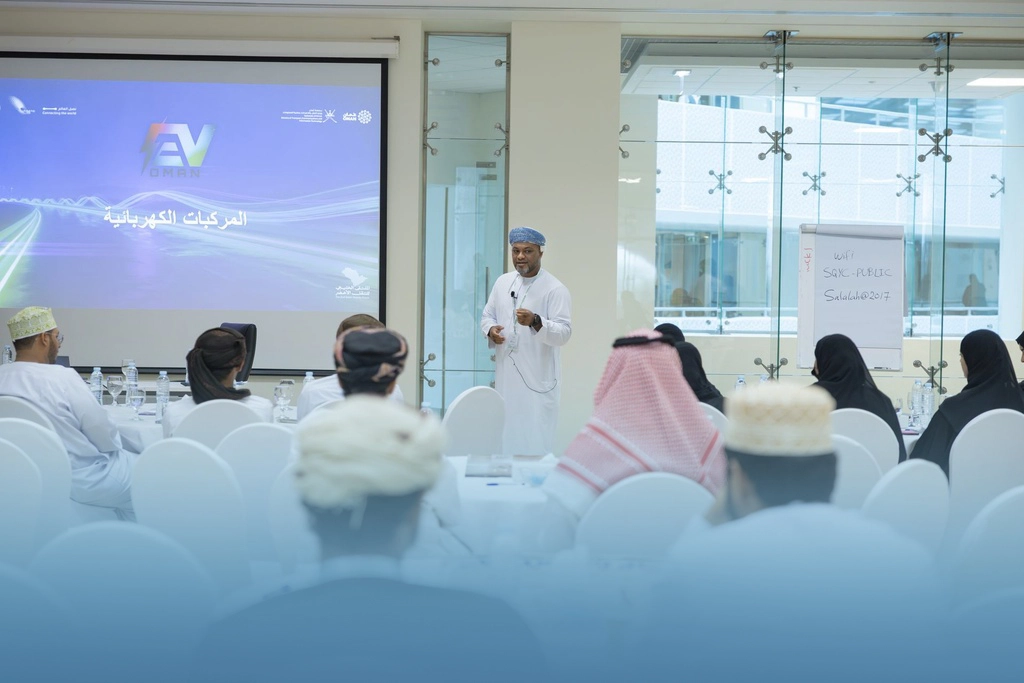
Two Workshops Held as Part of the GCC Green Mobility Forum with Youth Participation and...
Date Published: 31 August 2025

MTCIT Settles Over OMR 1.2 Billion in Private-Sector Dues by End of August
Date Published: 16 October 2025
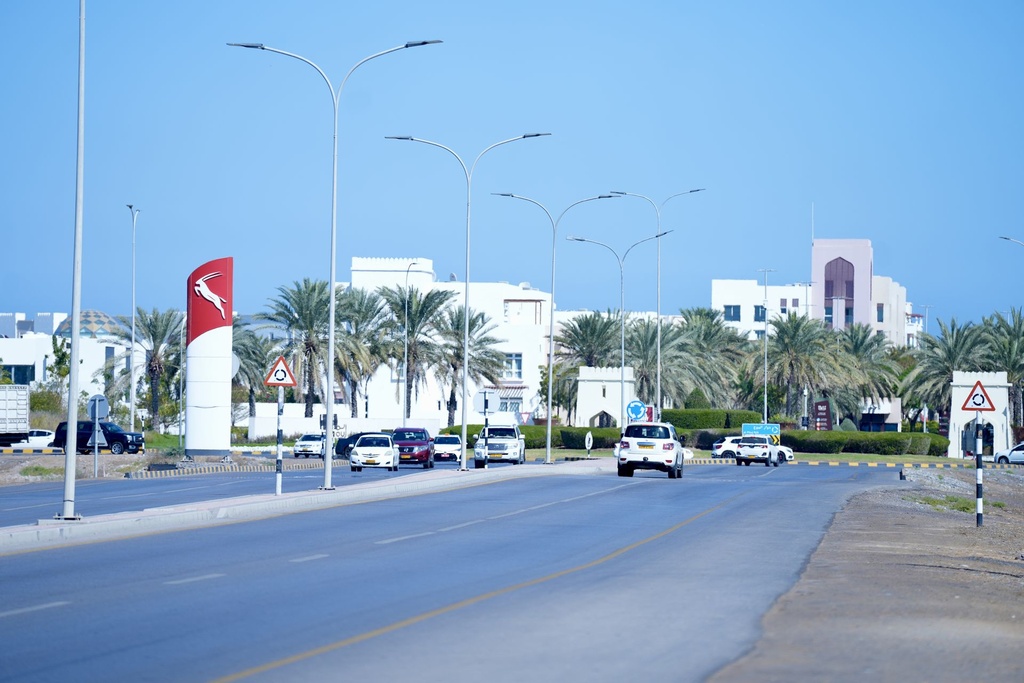
Awarding of the Al Mouj Road Development Project and the Connected Section of 18th November...
Date Published: 28 October 2025
Establishing integrated and sustainable stations and improving connectivity between provinces
Date Published: 04 November 2025
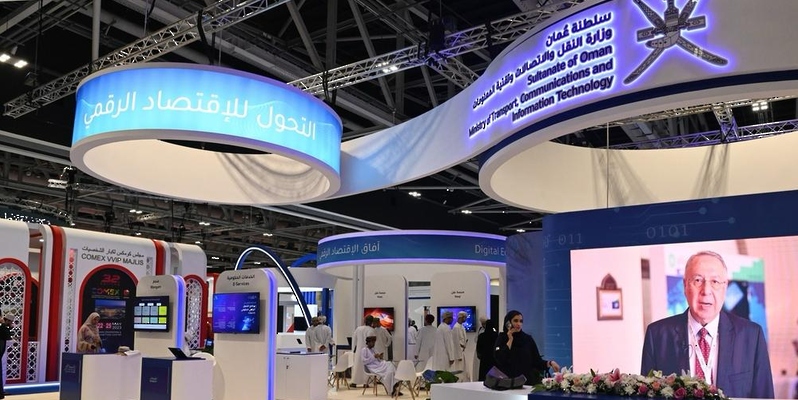
The curtain falls on the 33rd edition of the COMEX Global Technology Exhibition 2024
Date Published: 01 June 2024
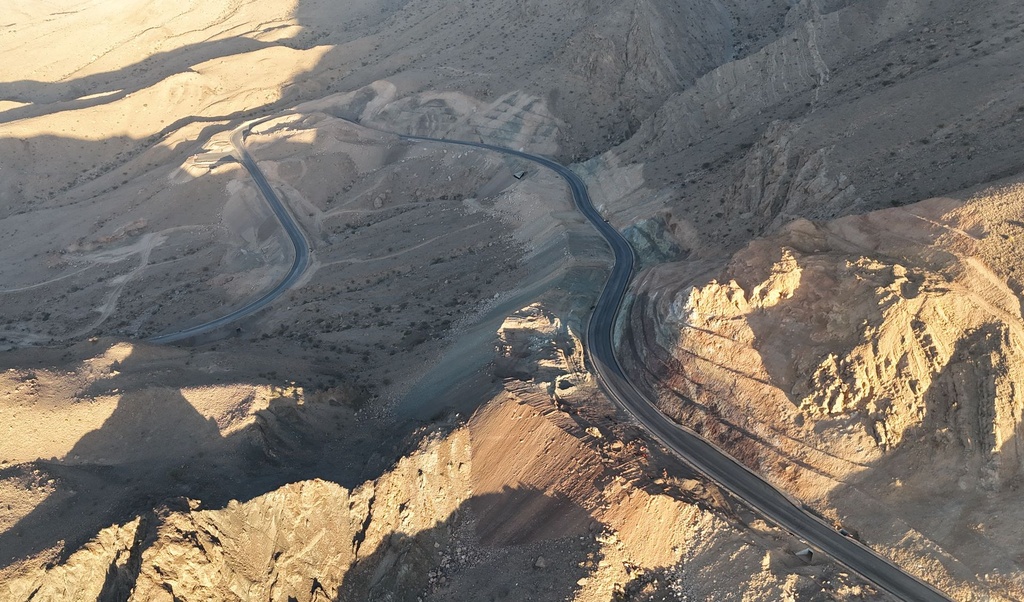
50% Completion Achieved in Wadi Bani Khalid Escarpment Road Project
Date Published: 24 December 2025
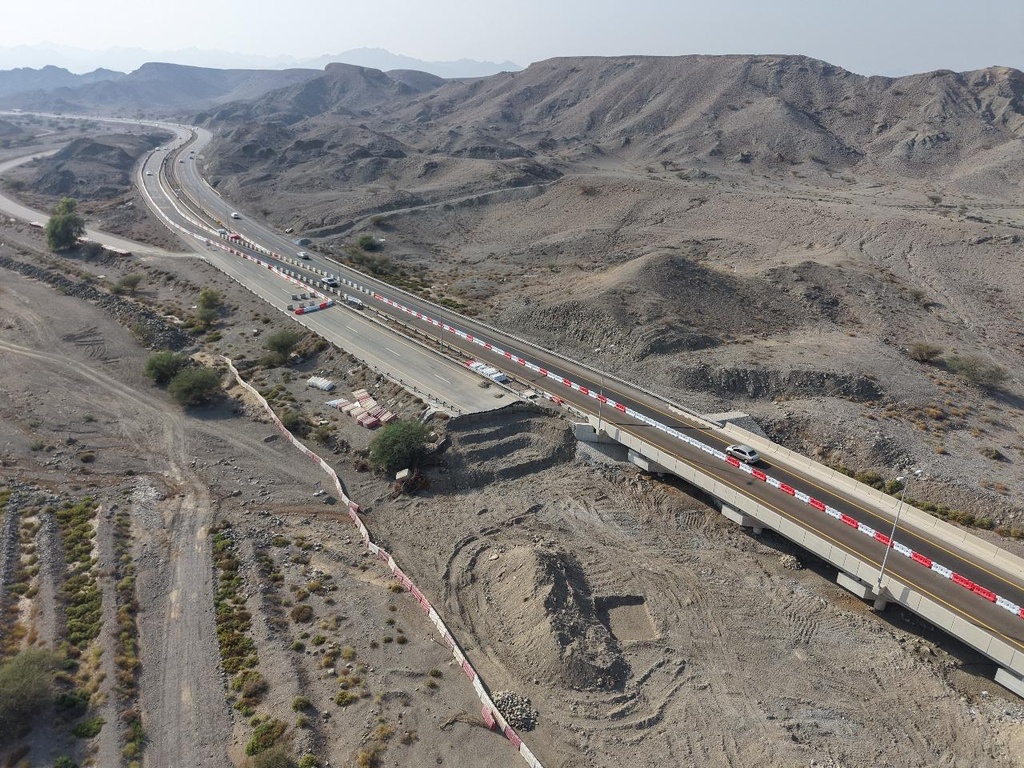
Over OMR 6 Million Allocated for the Construction of Five New Bridges on the Sohar–Al...
Date Published: 24 December 2025

Launching the Second Phase of the Virtual Tour Feature on Google Maps
Date Published: 14 January 2026
Oman, Algeria Strengthen Cooperation in Transport, Logistics and Digital Transformation
Date Published: 07 May 2026
MTCIT wins "Gold" in the Environmental and Social Governance Award
Date Published: 17 May 2026
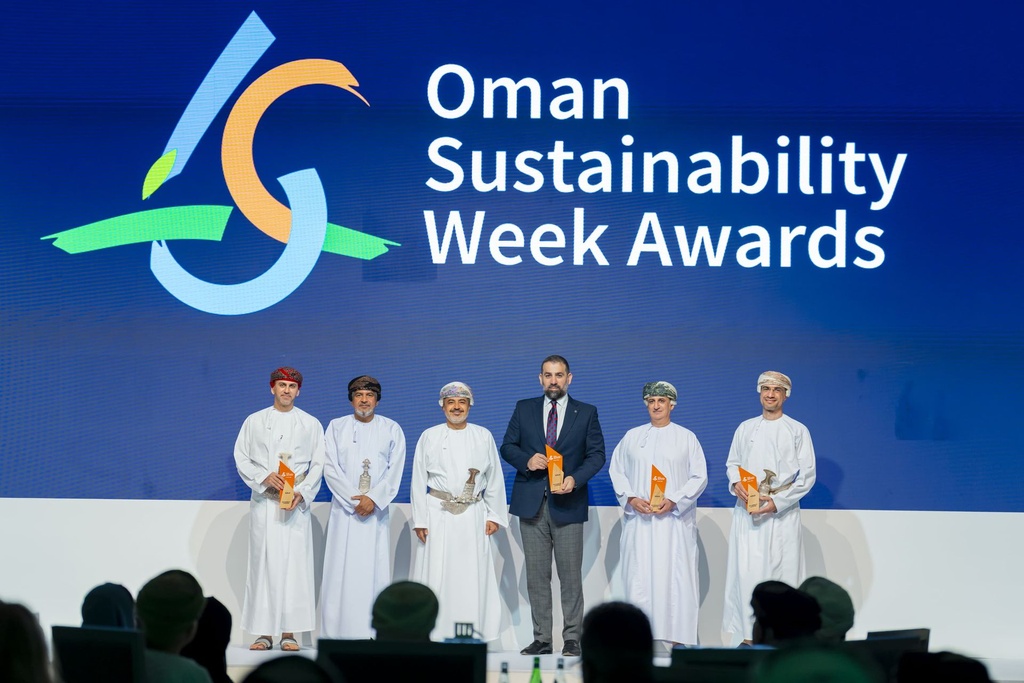
MTCIT announces the winners of the "Green Mobility Award 2026"
Date Published: 17 May 2026
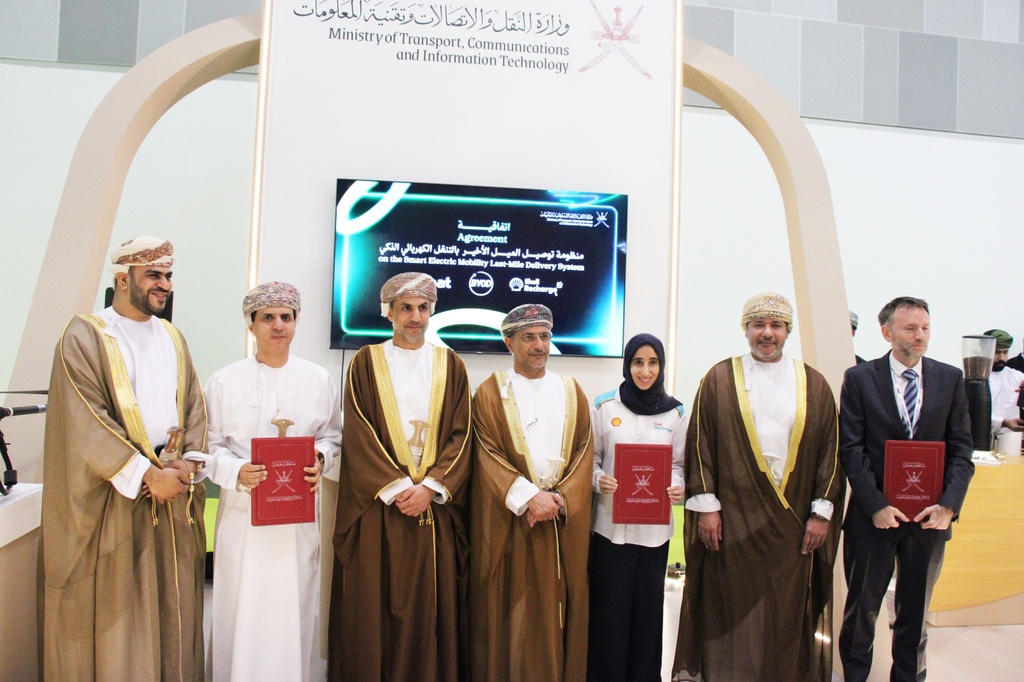
Signing of Two Memoranda of Understanding in Sustainable Mobility
Date Published: 18 May 2026

MTCIT Showcases Efforts to Empower Persons with Disabilities through Purple Saturday Campaign
Date Published: 26 July 2026
Over OMR 600 Million in Investments, Agreements and Initiatives to Support Green Mobility
Date Published: 03 September 2026
Workshop Discusses Development of Green Port Corridors among GCC Countries
Date Published: 02 September 2026
Phase Two of “Sky Bridge” Launched to Transport Medical Supplies by Drones to Al Hallaniyat...
Date Published: 02 September 2026
“GCC Green Mobility Ecosystem Lab” Discusses Regulation of Electric Charging and Green Hydrogen for Heavy...
Date Published: 02 September 2026
Jusoor Initiative Launched in Al Dakhiliyah to Strengthen Institutional Integration and Knowledge Transfer
Date Published: 12 October 2026
