MTCIT enhances partnership and innovation within the National Program for Artificial Intelligence and Advanced Technologies
Date Published: 23 December 2025
The Ministry of Transport, Communications, and Information Technology, in collaboration with several government entities and private institutions, has implemented a package of experimental projects related to artificial intelligence applications in several vital sectors, including health, judiciary, procurement, cybersecurity, open data, and education. This is part of its efforts to achieve the objectives of the National Program for Artificial Intelligence and Advanced Technologies. The implementation of these projects came as experimental initiatives fully supported by the executing companies, aiming to highlight the role of public-private partnerships in supporting artificial intelligence projects and to shed light on the contributions of companies as active partners in the digital transformation journey. These initiatives also aim to enhance the adoption of artificial intelligence technologies within government entities through low-risk projects based on innovation and practical experimentation, and to encourage tech companies to invest in smart solutions and support government initiatives.

National initiatives
Among the most prominent national initiatives is the "Artificial Intelligence Studio," launched by the ministry as the first national center specialized in artificial intelligence, operating in an open collaborative manner. It aims to connect the challenges faced by government and private entities with smart solutions, enhance the innovation environment, and support startups and researchers in the field of artificial intelligence. The studio is located in the SAS Innovation Center at the Innovation Complex in Muscat and is operated by a private operator with government funding for three years.
"Ma'een AI"
Within the framework of major strategic projects under the National Program for Artificial Intelligence and Advanced Digital Technologies, the Omani language model "Moeen AI" has emerged as the first advanced national language model in the Sultanate of Oman. It was developed and trained on local data with the aim of supporting digital sovereignty, empowering the Arabic language, and assisting government employes in analysis, summarization, and content creation, while maintaining data security within the Sultanate of Oman, thereby enhancing the readiness of government institutions for smart transformation.
Experimental projects
The Information Security Center at the ministry, in collaboration with GBM, developed an intelligent chatbot system to support users in the field of cybersecurity, contributing to the provision of immediate and reliable support, reducing manual effort, speeding up access to information, and ensuring data accuracy.
The initiatives also included the implementation of several research and strategic projects, among them the A2M Platform (BIMANIC) project in collaboration with the National University of Science and Technology, which aims to predict student outcomes and support educational planning, alongside the Afaaq System project for evaluating tenders using artificial intelligence technologies, which has shown promising results in automating technical and financial evaluation processes, marking an important step toward enhancing transparency and accelerating decision-making.
In the healthcare sector, the Ministry of Health, in collaboration with Bahwan Healthcare Services and Muscat Pharmacy, implemented a national project for the early detection of diabetic retinopathy using artificial intelligence technologies. The project contributed to reducing waiting lists, increasing diagnostic accuracy, improving patient satisfaction, and enhancing service accessibility. This project is a qualitative achievement, as the Sultanate of Oman has become the third country globally to implement this service on a comprehensive national scale, with future prospects for exporting these technologies to global markets.
In the field of medical imaging, an AI platform for analyzing spinal MRI images was implemented at Khoula Hospital, in collaboration with Civilization Company. The Radiology AI platform contributed to providing preliminary analysis of radiology images and offering supporting reports for radiologists and orthopedic doctors, thereby aiding in the automation of medical reports and supporting medical decision-making.
The Projects, Tenders, and Local Content Authority, in collaboration with the Innovation Experience Company, has implemented a project to employ artificial intelligence in analyzing open data for the "Esnad" platform using the "Hammam" platform, which provides data analysis services, smart alerts, and report preparation thru written conversation, helping registered companies on the platform to identify the most suitable tenders for their fields of work.
The Projects, Tenders, and Local Content Authority, in collaboration with Afaaq Company, developed an intelligent system for evaluating tenders using artificial intelligence technologies. This system aims to accelerate and improve the technical and financial evaluation processes, and to issue comprehensive reports that include evaluation results and final award recommendations, thereby enhancing the efficiency and objectivity of decision-making and ensuring the selection of the best offers in record time.
In a qualitative experiment, the Public Prosecution, in collaboration with Rahal Company, implemented a project to employ artificial intelligence in analyzing judicial documents, generating questions for the parties involved in cases, and drafting decisions for archiving or referral, while ensuring local data processing due to its sensitivity. The experiment achieved an accuracy rate exceeding 90%, confirming the feasibility of using artificial intelligence to support the efficiency of judicial work.
These pilot projects embody the commitment of the Sultanate of Oman to adopt artificial intelligence as a strategic tool to improve service quality, enhance government performance efficiency, and strengthen partnerships with the private sector, thereby supporting the achievement of Oman Vision 2040 goals and establishing Oman as an attractive environment for innovation and advanced technologies.
Related News
Discover Now
"Engineer It with AI" Competition Kicks Off with 25 Teams Participating
Date Published: 26 August 2024



The Minister of Transport, Communications, and Information Technology Meets His Counterparts from Bahrain, Iraq, and...
Date Published: 01 September 2025

Next Week: Launch of the Global Technology Exhibition “COMEX 2025”
Date Published: 04 September 2025
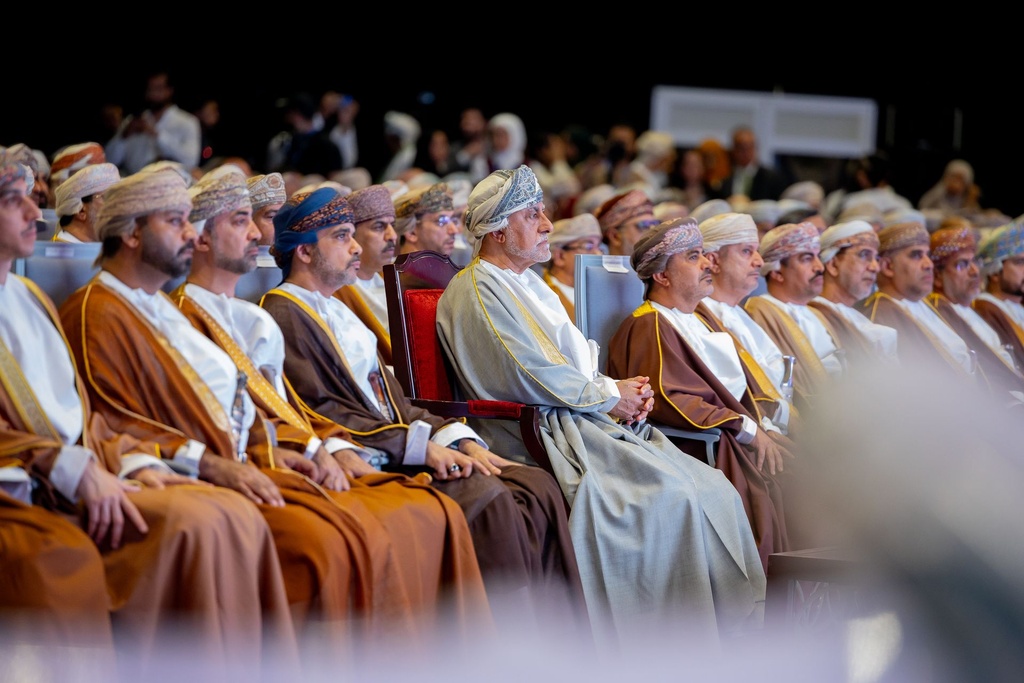
Launch of COMEX 2025: Announcement of the Green Artificial Intelligence Alliance and Unveiling of the...
Date Published: 08 September 2025
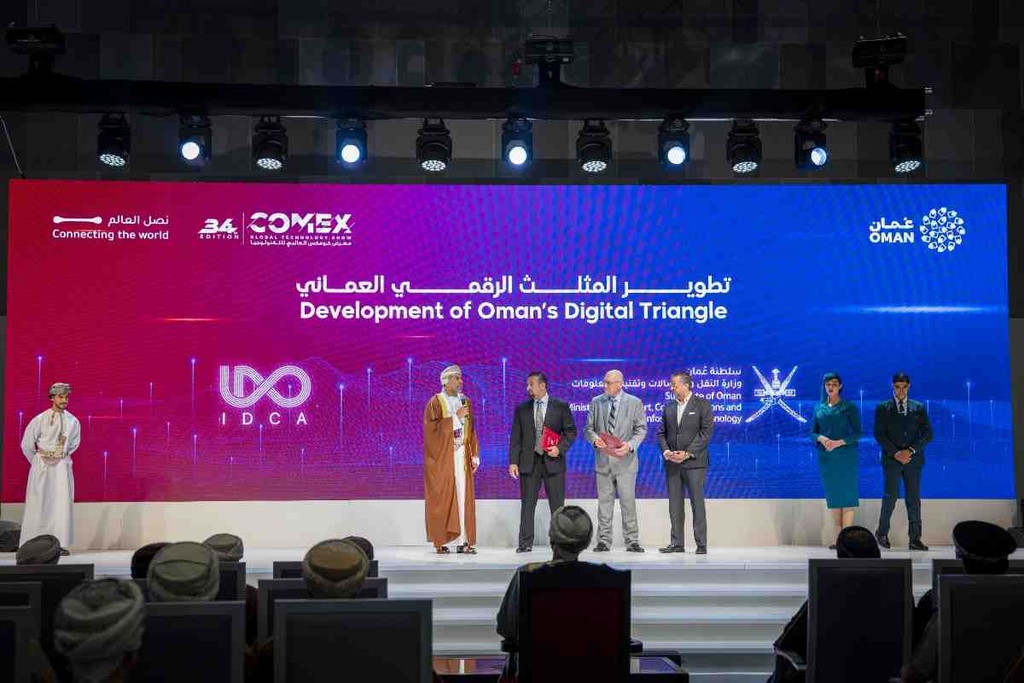
Oman Launches Three National Initiatives at the Artificial Intelligence and Quantum Computing Forum
Date Published: 08 September 2025

A World of Innovation and Excellence: The Ministry of Transport, Communications and Information Technology Captures...
Date Published: 09 September 2025

Announces Artificial Intelligence Zone Development Project at COMEX 2025
Date Published: 08 September 2025
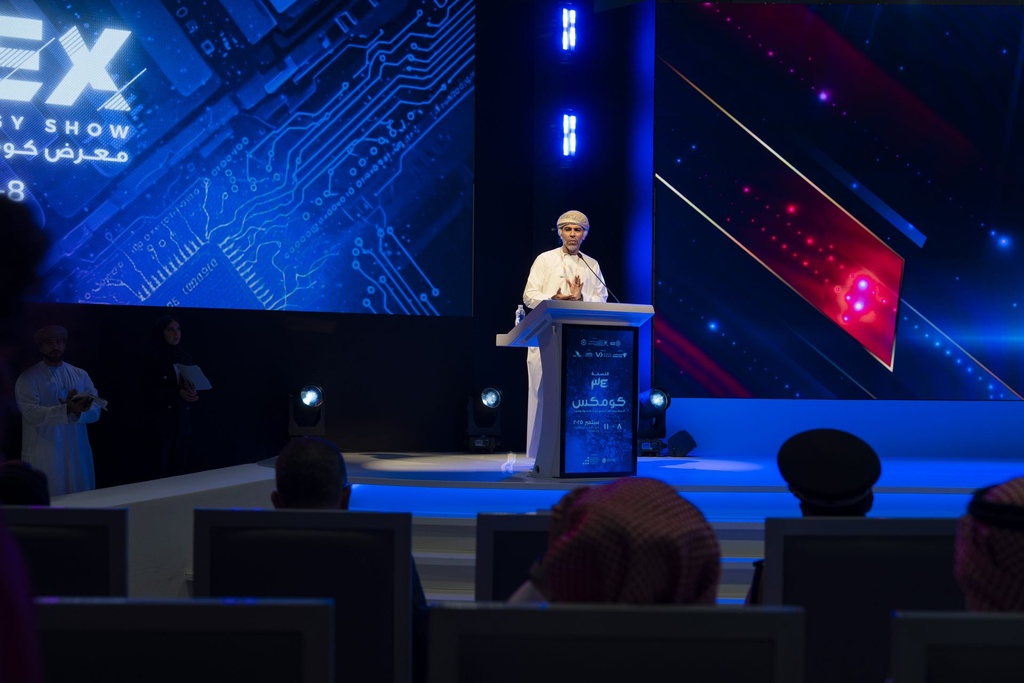
With an increase of 45%, COMEX 2025 agreements were valued at OMR 116 million
Date Published: 20 September 2025

MTCIT Settles Over OMR 1.2 Billion in Private-Sector Dues by End of August
Date Published: 16 October 2025
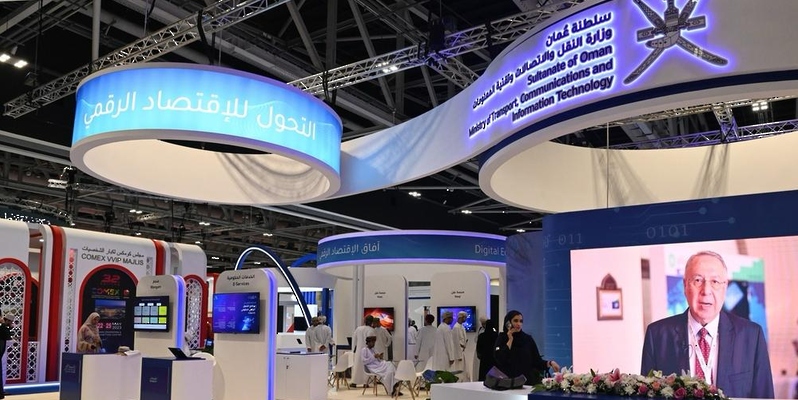
The curtain falls on the 33rd edition of the COMEX Global Technology Exhibition 2024
Date Published: 01 June 2024
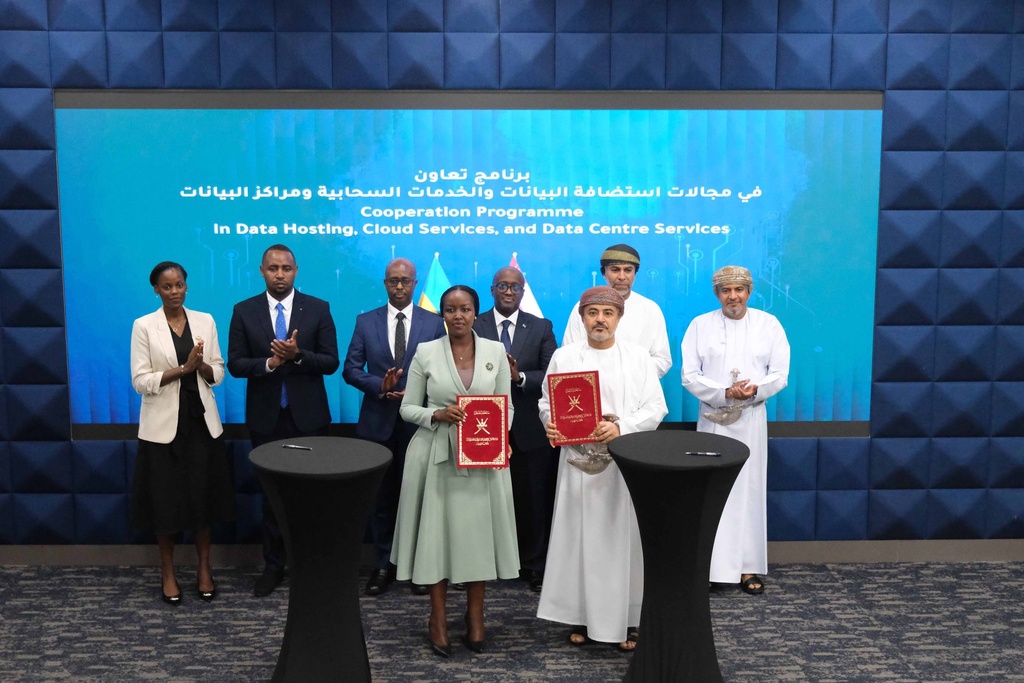
The Sultanate of Oman and the Republic of Rwanda Sign Four Cooperation Agreements
Date Published: 11 January 2026

Oman, Algeria Strengthen Cooperation in Transport, Logistics and Digital Transformation
Date Published: 07 May 2026

MTCIT wins "Gold" in the Environmental and Social Governance Award
Date Published: 17 May 2026
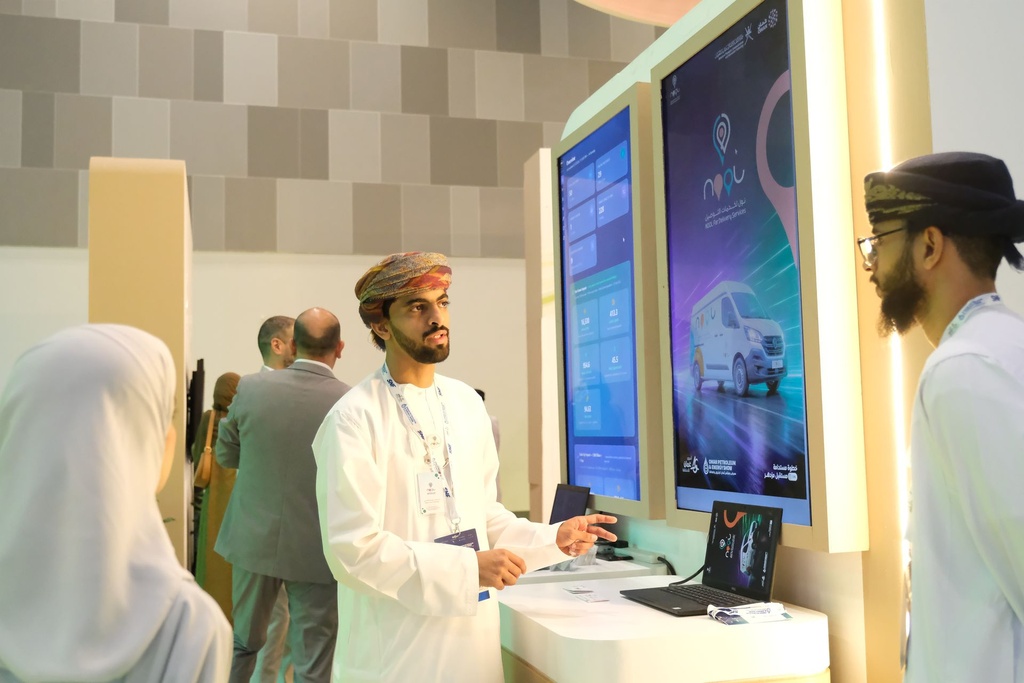
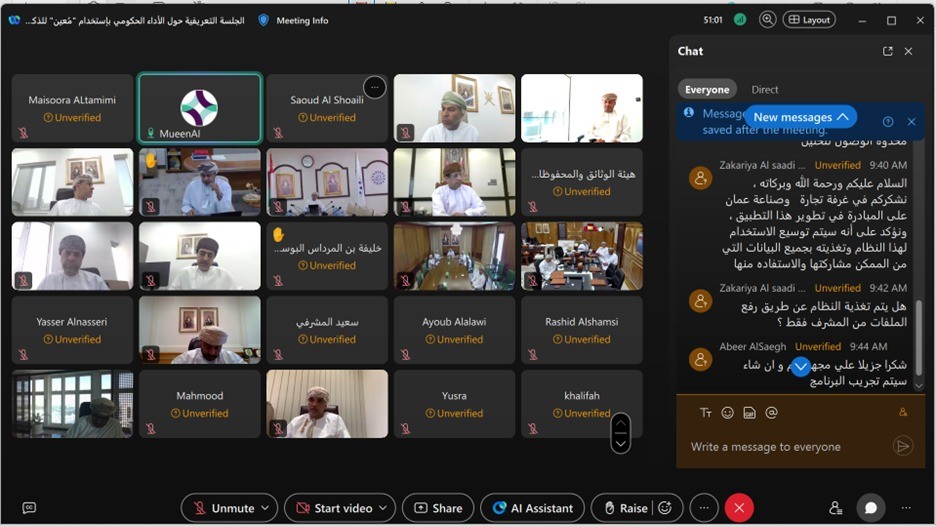
MTCIT Holds Introductory Session on Leveraging “Mueen” AI to Enhance Government Performance
Date Published: 19 May 2026
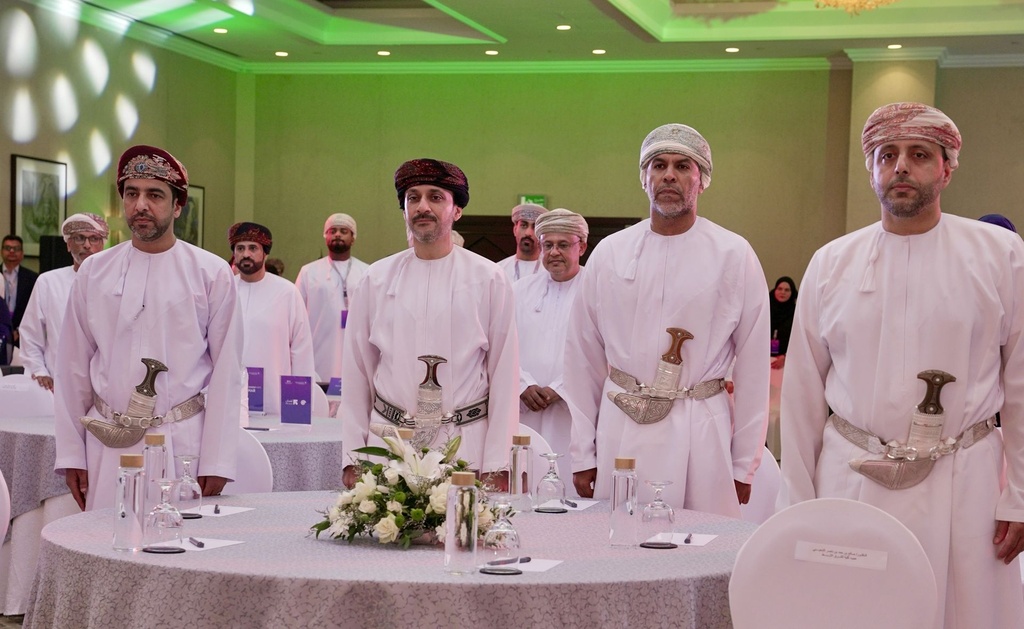
25 Teams Compete in the Second Edition of the "Engineer It with AI" Competition
Date Published: 01 July 2026

Oman Participates in the Global Dialogue on AI Governance and the World Summit on the...
Date Published: 05 July 2026
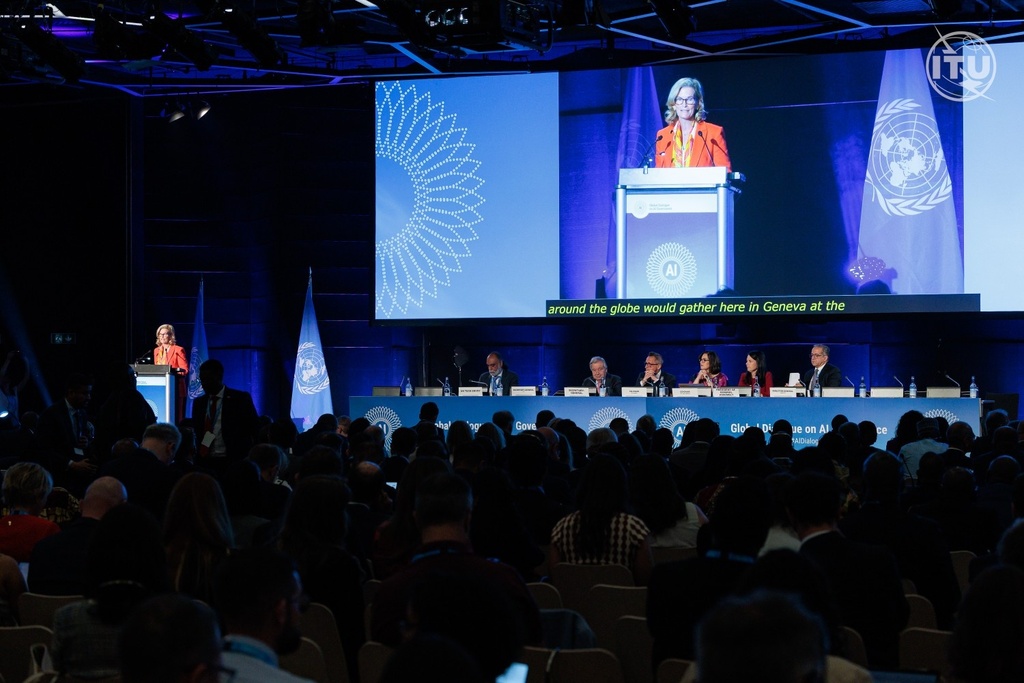
Inaugural UN Global Dialogue on Artificial Intelligence Governance
Date Published: 07 July 2026
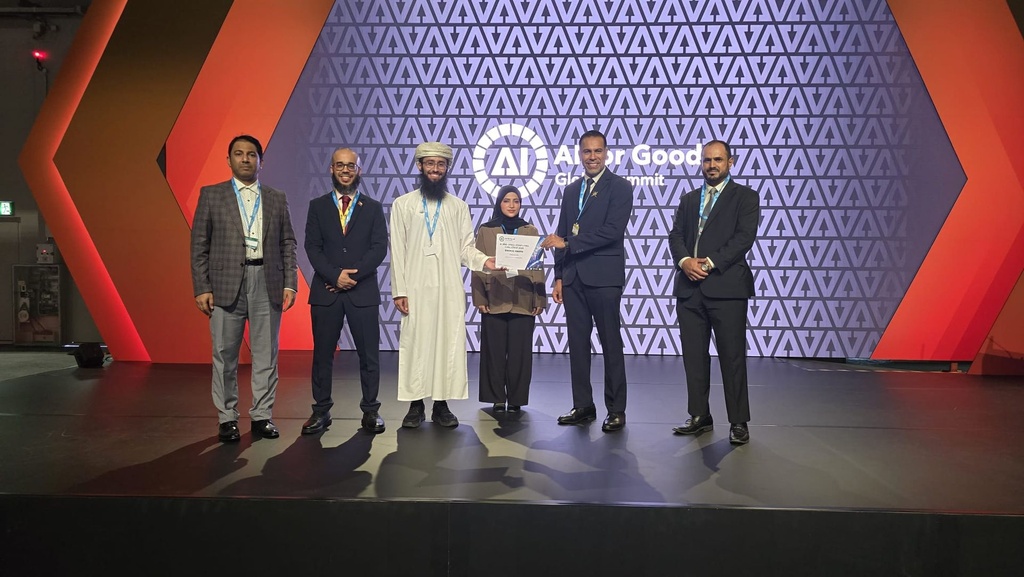
On the Sidelines of the Sultanate of Oman’s Participation in the Global Dialogue on Artificial...
Date Published: 08 July 2026

Oman Becomes Founding Member of World AI Cooperation Organization
Date Published: 17 July 2026
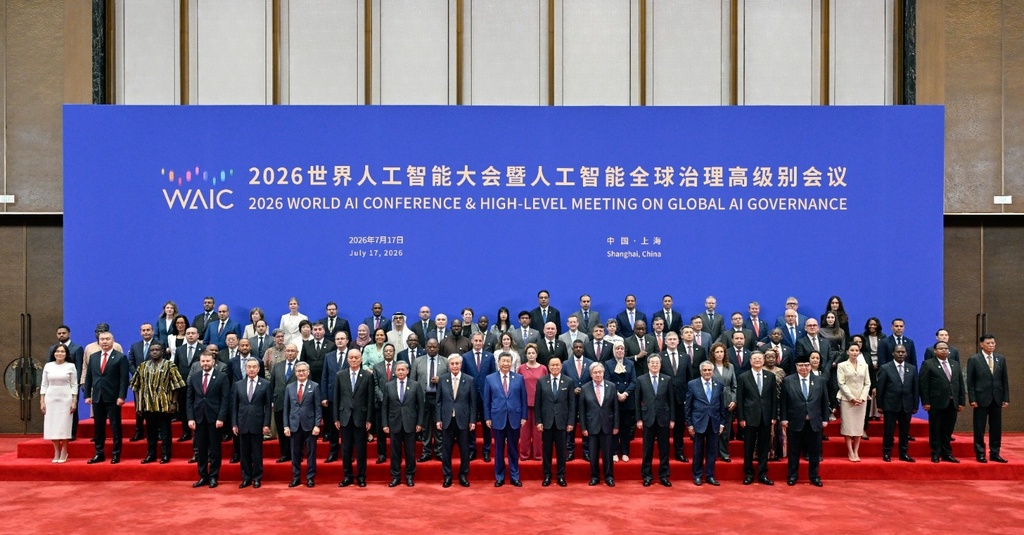
Oman Participates in High-Level Meeting at World Artificial Intelligence Conference in Shanghai
Date Published: 17 July 2026
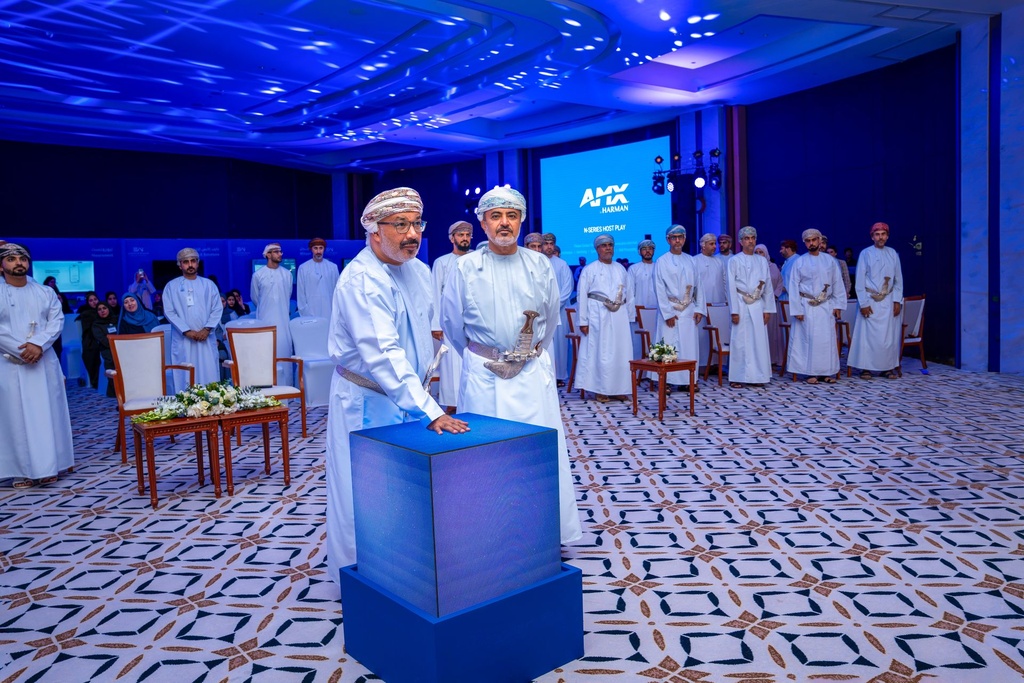
MTCIT Concludes “Engineer It with AI” Competition; Nine Teams Honoured
Date Published: 14 September 2026
